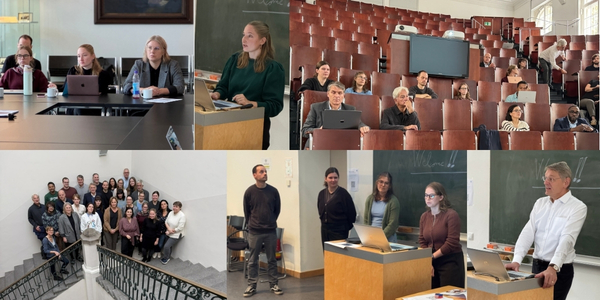
On 13–14 October 2026, Psych-STRATA partners met in Munich, Germany, for the project’s 6th General Assembly. Over the two days, partners shared updates on their work, discussed progress to date, and explored opportunities for future research and collaboration.
Updates on Project Progress at General Assembly
On the first day, partners reviewed progress across all nine work packages. They discussed genetic research, clinical trials, treatment prediction, digital tools, and patient involvement.
Researchers shared new findings on genetic and biological factors linked to treatment resistance in schizophrenia, bipolar disorder, and major depressive disorder. Their analyses identified 127 candidate genes that may play a role in treatment resistance. The team also presented results from protein studies involving 860 participants. They explored how combining genetic and biological data could improve treatment prediction.
The INTENSIFY team shared updates on its clinical trials. These investigate whether early intensified treatment can improve outcomes for patients who have not responded to their initial medication. The team also discussed recruitment progress, data collection, and the next stages of the research.
Partners presented their work on models that predict how patients respond to treatment over time. By analysing clinical data, researchers aim to better understand changes in patients’ conditions and identify factors that may help predict treatment resistance.
The team developing the project’s clinical decision-support tools also shared its progress. They introduced an updated digital dashboard with a new design, different ways to view results, and improved patient management features. Feedback from focus groups helped guide these improvements. Partners also discussed the Mental Health Board and how it could support shared treatment decisions between patients and healthcare professionals.
Other updates included surveys that gather patient feedback on digital mental health tools. The drug repurposing team also presented its research into whether existing medicines could offer new treatment options for mental health conditions.
Looking Ahead
On the second day, partners attended workshops to discuss future research opportunities and possible collaborations between work packages.
The discussions focused on how the project’s findings could inform future research and clinical practice. Ideas included further developing treatment prediction models, testing them with additional patient data, and adapting digital tools to different healthcare settings.
Partners also explored potential follow-up projects, partnerships, and funding opportunities to continue building on the project’s work.
The meeting allowed partners to review their progress and discuss current challenges. They also looked ahead to the next steps as Psych-STRATA continues its research into more personalised mental health treatment.
Learn more about us. Follow the project on LinkedIn, X and Bluesky.